Existing-Home Sales Up for Third Month
December 2025
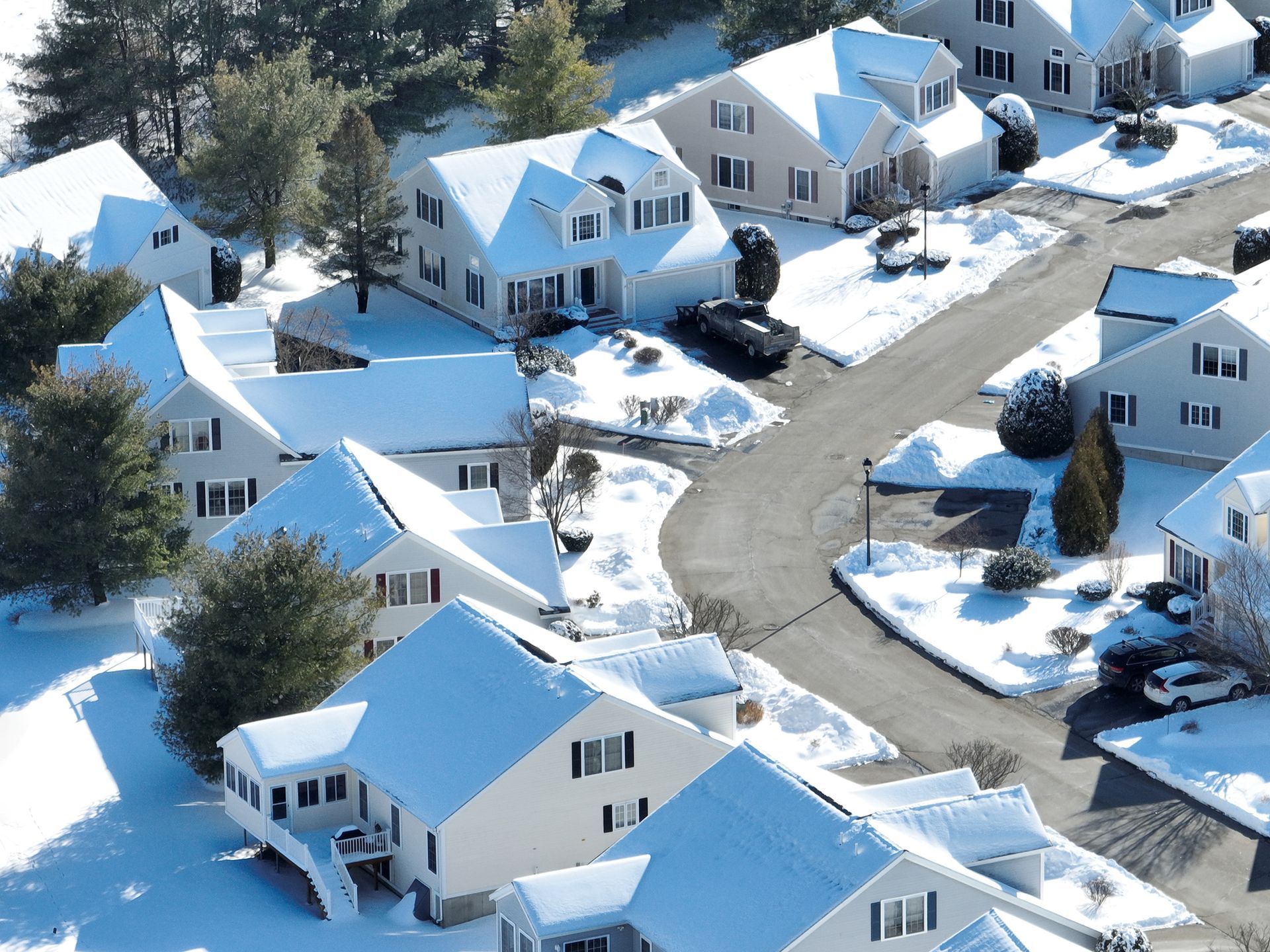
Existing-home sales have inched up for the third month in a row, thanks largely to slightly lower mortgage rates. That said, as winter settles in, the number of homes coming on the market is starting to slow — a very typical seasonal shift, according to the latest data from the National Association of Realtors®.
In November, existing-home sales rose a modest 0.5% from October, reaching an annual pace of 4.13 million homes. That followed October’s 1.2% increase. Sales were down 1% compared to this time last year, but that’s still an improvement over the sharper drop we saw earlier in the fall. NAR’s Chief Economist, Lawrence Yun, points directly to lower mortgage rates as the reason sales have been able to move higher over the past few months.
Inventory, however, is starting to tighten as we head deeper into winter. There were about 1.43 million homes on the market in November — down nearly 6% from October, though still up about 7.5% from a year ago. That translates to roughly a 4.2-month supply of homes, slightly lower than last month but higher than this time last year.
As Yun noted, with distressed sales at historic lows and homeowner equity at record highs, many homeowners simply aren’t in a rush to list during the colder months.
Single-family home sales saw a small bump, rising 0.8% month over month, while condo and co-op sales slipped slightly and remain softer overall.

In November, existing-home sales rose a modest 0.5% from October, reaching an annual pace of 4.13 million homes. That followed October’s 1.2% increase. Sales were down 1% compared to this time last year, but that’s still an improvement over the sharper drop we saw earlier in the fall. NAR’s Chief Economist, Lawrence Yun, points directly to lower mortgage rates as the reason sales have been able to move higher over the past few months.
Inventory, however, is starting to tighten as we head deeper into winter. There were about 1.43 million homes on the market in November — down nearly 6% from October, though still up about 7.5% from a year ago. That translates to roughly a 4.2-month supply of homes, slightly lower than last month but higher than this time last year.
As Yun noted, with distressed sales at historic lows and homeowner equity at record highs, many homeowners simply aren’t in a rush to list during the colder months.
Single-family home sales saw a small bump, rising 0.8% month over month, while condo and co-op sales slipped slightly and remain softer overall.
Regionally, the Northeast saw a noticeable monthly increase in sales, while activity dipped in the Midwest. The South posted a small gain, and the West remained flat compared to October, though still a bit lower than last year.
Economists are also keeping an eye on the bigger picture. Dr. Selma Hepp, Chief Economist at Cotality, pointed out that while the market is entering its usual seasonal slowdown, trends in the labor market and inflation could open the door to another interest rate cut early next year. Still, she emphasized that a stronger rebound will depend on steady job growth, rising incomes, and improved affordability.
On the pricing side, home values continue to edge higher, though at a slower pace. The national median home price rose 1.2% from a year ago to $409,200 — marking the 29th straight month of annual price gains. Single-family homes and condos both saw modest increases, with prices rising in most regions except for a slight dip in the West.
Yun added that wage growth is currently outpacing home price gains, which is helping affordability somewhat. However, that progress could stall if housing supply doesn’t keep up with demand.
Danielle Hale, Chief Economist at Realtor.com®, noted that this was the slowest pace of home price growth since mid-2023. Looking ahead, she expects mortgage rates to hover near current levels through most of 2026. While that won’t dramatically change the market, it should bring small improvements in affordability and help nudge sales slightly higher — even if overall activity remains below historical norms.
Disclaimer: The information contained, and the opinions expressed, in this article are not intended to be construed as investment advice. The Kathy Schmitt Team does not guarantee or warrant the accuracy or completeness of the information or opinions contained herein. Nothing herein should be construed as investment advice. You should always conduct your own research and due diligence and obtain professional advice before making any investment decision. The Kathy Schmitt Team will not be liable for any loss or damage caused by your reliance on the information or opinions contained herein.